Ivan Kupala in Ukraine: Traditions, Folklore and Summer Solstice Celebrations
Every summer, Ukrainians celebrate one of the most fascinating and ancient festivals in their cultural calendar: Ivan Kupala (Івана Купала). Filled with bonfires, flower wreaths, singing, dancing and folklore, the holiday combines pre-Christian beliefs with later Christian traditions.
Celebrated on the night of 23–24 June according to the modern calendar (or 6–7 July in communities following the Julian calendar), Ivan Kupala Night is associated with love, fertility, purification and the powerful forces of nature. For centuries, Ukrainians have gathered around fires, floated wreaths on rivers and searched for the legendary fern flower said to bloom only once a year.
Today, Ivan Kupala traditions remain an important part of Ukrainian cultural heritage, connecting modern communities with centuries of folklore and customs.

The History of Ivan Kupala
Історія свята Івана Купала
Ivan Kupala, with its rich history rooted in ancient Slavic traditions, has evolved over time, incorporating elements of Christianity while preserving its pagan heritage. Originally, the holiday was a culmination of the summer solstice, a significant astronomical event on the longest day of the year. People believed that on this night, the forces of nature were at their peak, and rituals performed during Ivan Kupala could grant blessings, protect against evil, and ensure a prosperous future. In Ukraine, the first written mention of the Kupala holiday is in the Volyn (1262) chronicle.
With the spread of Christianity across Slavic lands, pagan traditions gradually incorporated Christian elements, allowing the holiday to coexist with the new religion. The holiday falls near the feast day of St. John the Baptist, which commemorates his birth. St. John is recognized as a prominent figure in Christianity, known for his baptism of Jesus and his role as a herald of Christ’s coming. By aligning the summer festival with the Christian celebration of St. John, the Church aimed to redirect the focus towards a more religious context.
Kupalo and Marena
Купало та Марена
There are two figures central to Ivan Kupala: Kupalo and Marena (sometimes known as Maria, Marina, or Mara). Kupalo is a Slavic mythological character, the god of the summer sun, patron of marriage, love, and procreation. According to folklore, Marena is a winter deity who plagues the Earth with cold, and people with disease and hunger.
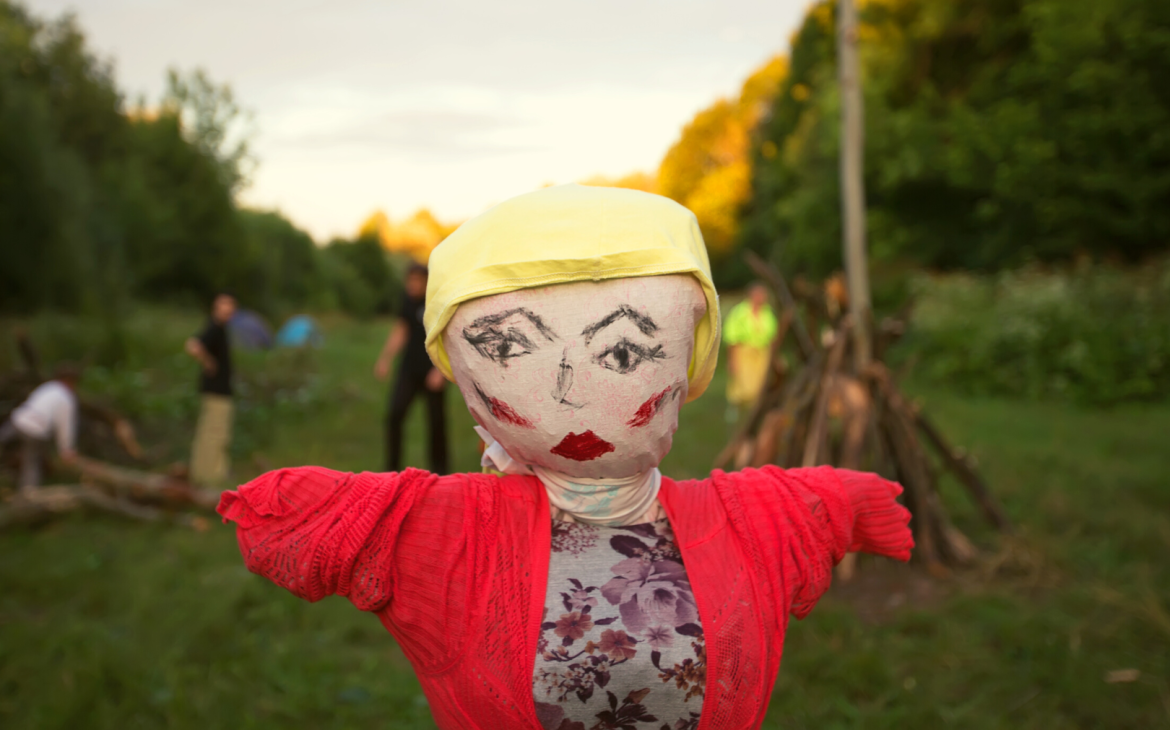
Effigies of Marena are made throughout Ukraine, with some oblasts make a scarecrow-like doll, whereas others refer to a wreath as Marena. Before the Marena is burned, the girls join hands and walk around it whilst singing songs.
Traditions
Традиції
Ivan Kupala traditions centre around nature, water, fire and fertility. Historically, the festival marked the height of summer when crops were growing and communities hoped for a successful harvest season. Many customs were believed to protect people from evil spirits, bring health and prosperity, and reveal clues about future relationships.
Villages often gathered near rivers, lakes or open fields where celebrations lasted throughout the night. Young people sang traditional Kupala songs, danced in circles, exchanged flowers and participated in rituals connected with love and marriage. Many of these traditions reflected ancient beliefs that nature possessed extraordinary powers during the shortest night of the year.
Although some customs varied across Ukraine, three elements remained central to most celebrations: bonfires, flower wreaths (vinok) and the legendary fern flower.
Bonfire | Вогнище
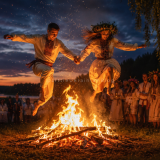
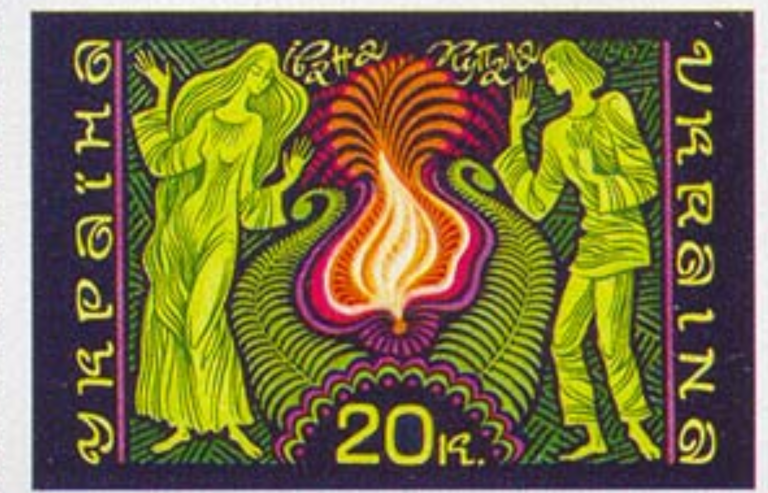
The Kupala Bonfire (Купальське вогнище) lies at the heart of Ivan Kupala Night celebrations. The fire symbolises the warmth of the sun, purification and protection from evil. According to folklore, the flames possess special powers capable of cleansing people of illness, bad fortune and negative energy.
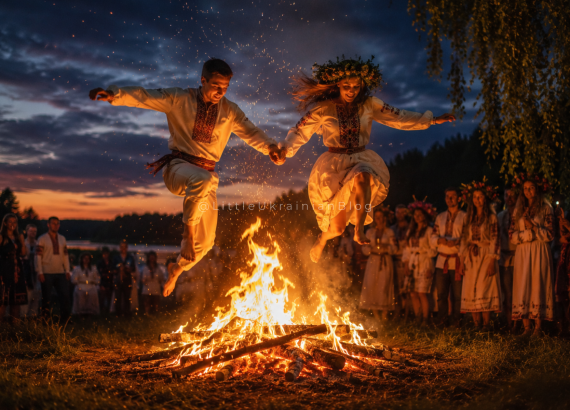
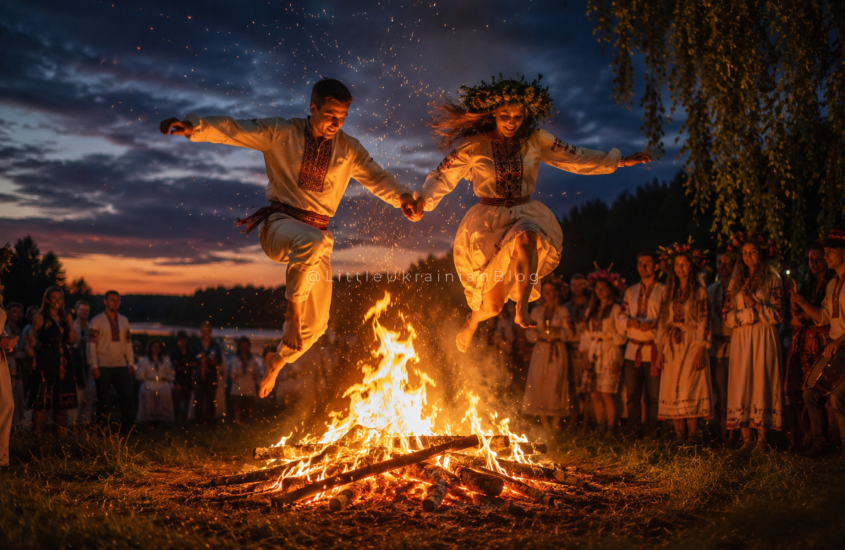
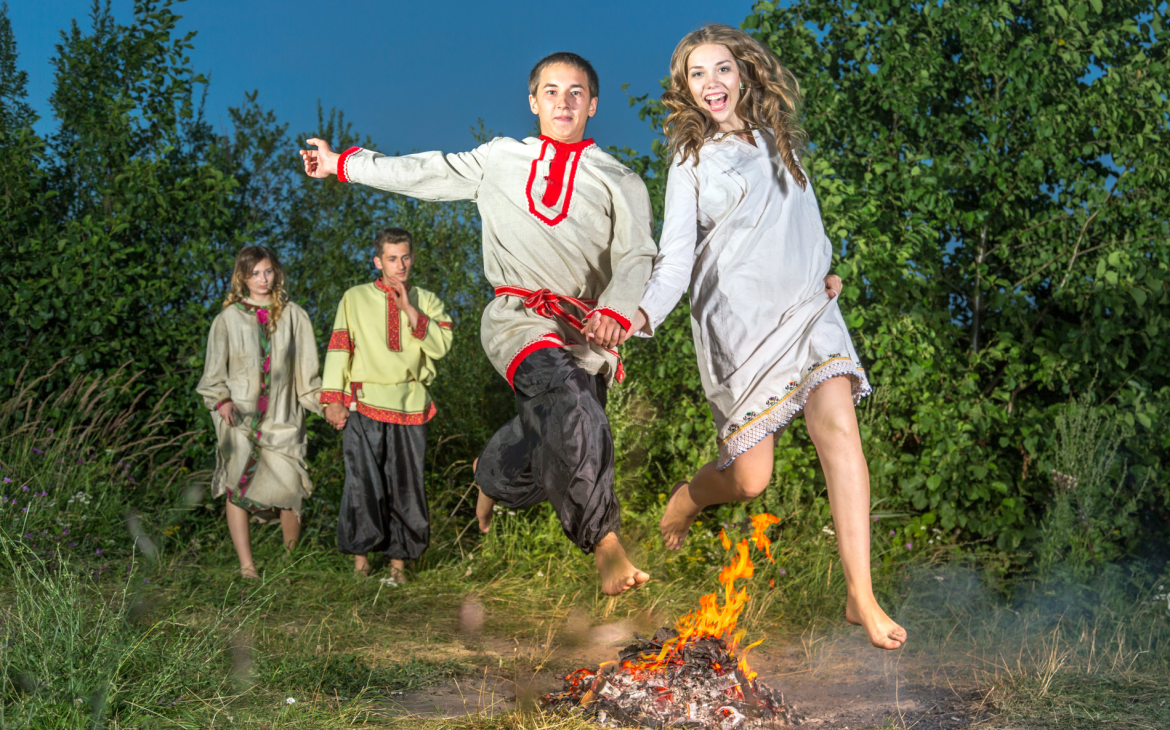
Young men and women traditionally leap over the bonfire, either individually or in pairs. When a couple successfully jumps across while holding hands, it is said to predict a long and happy relationship. In some regions, villagers also drove livestock near the fire to protect animals from disease and misfortune.
Historical accounts suggest that attendance at the bonfire was expected of all women in the community. Those who stayed away risked being suspected of witchcraft, reflecting the deep importance of the celebration in village life.
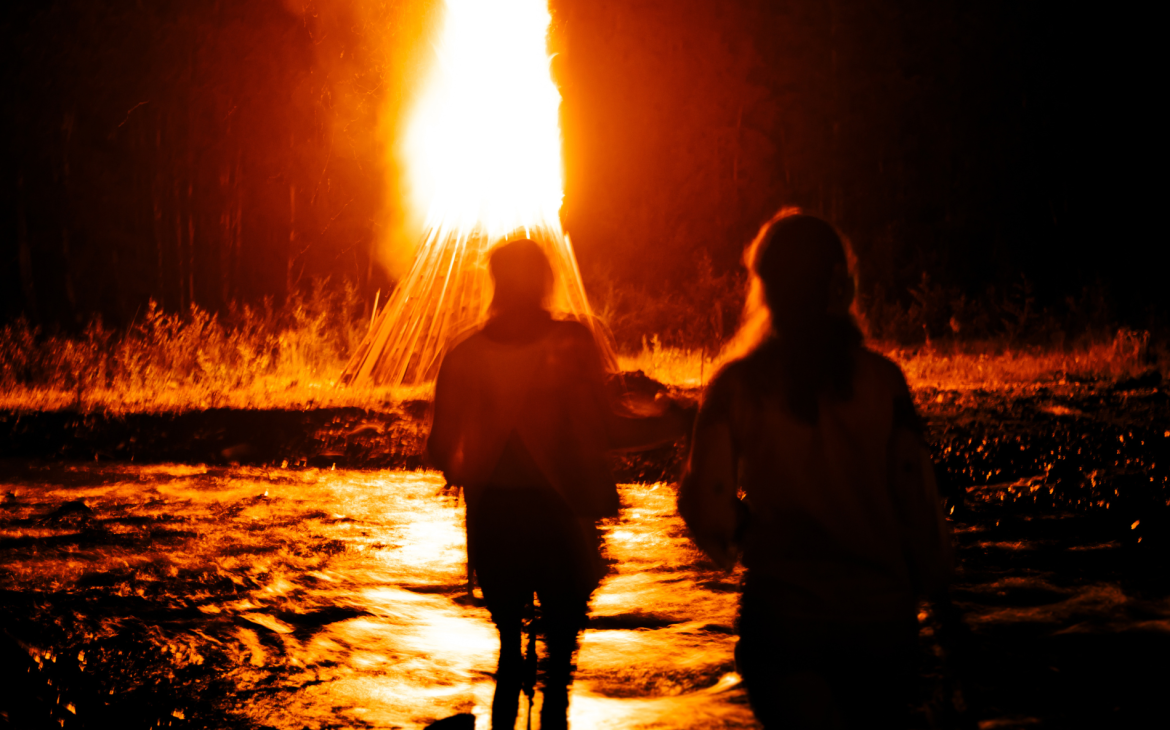
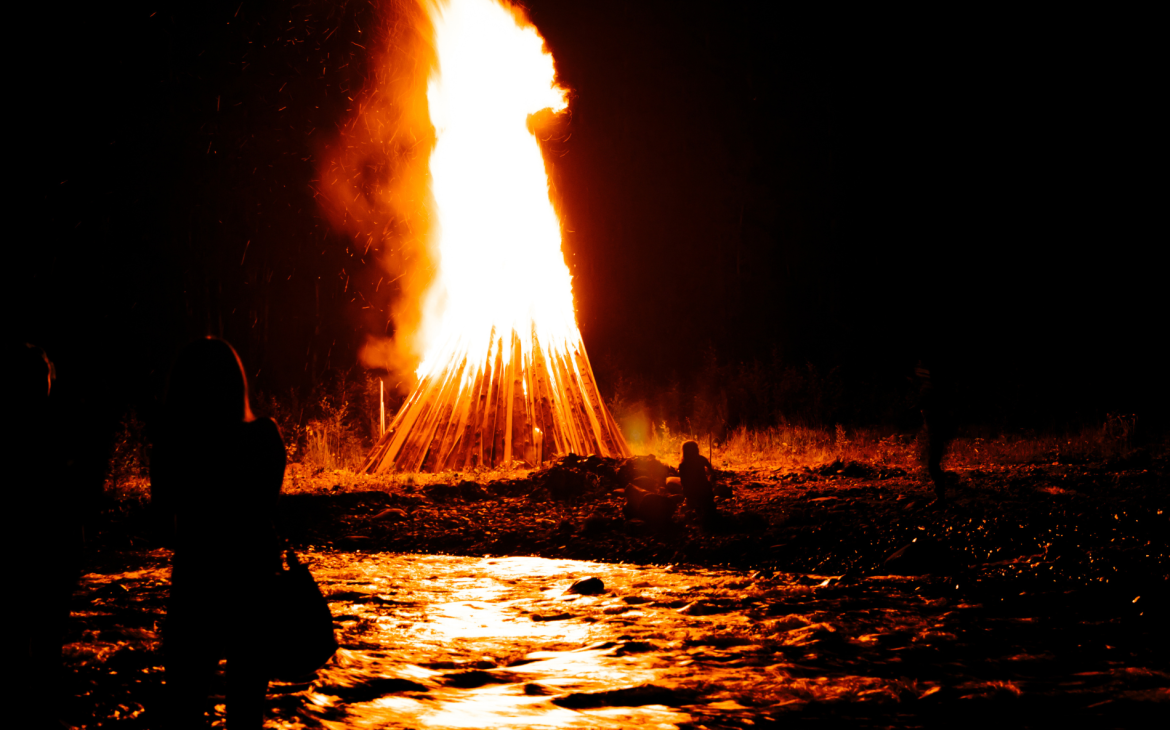
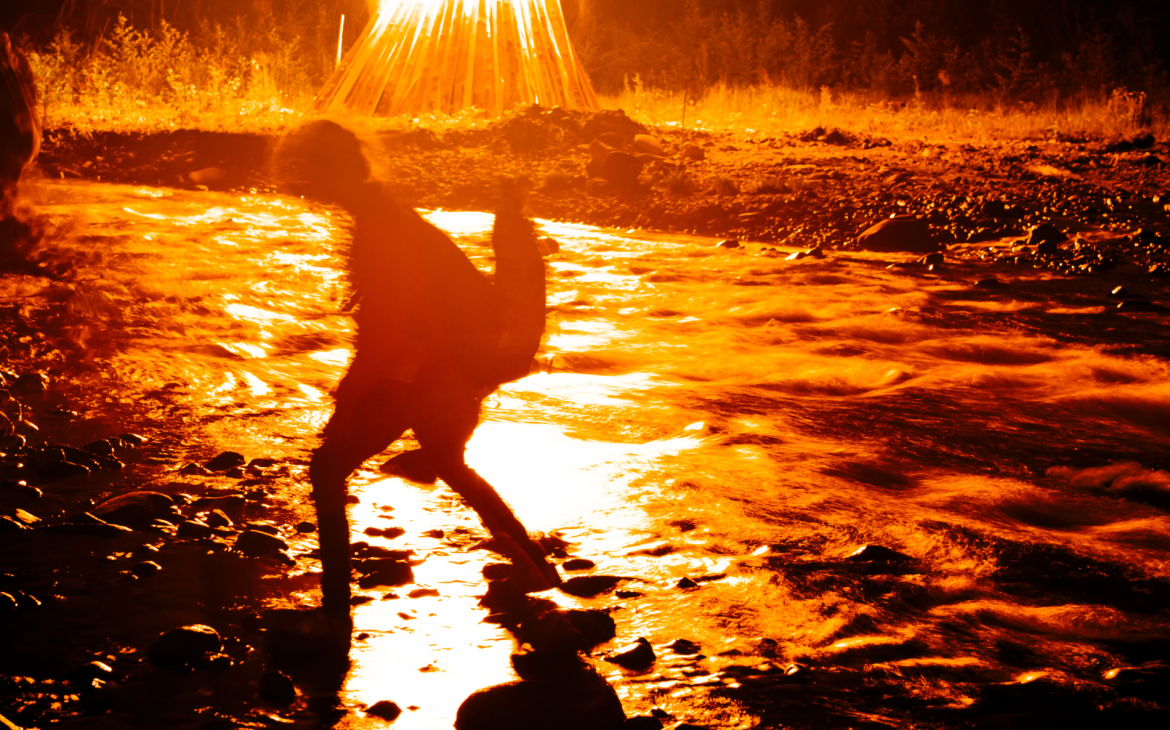
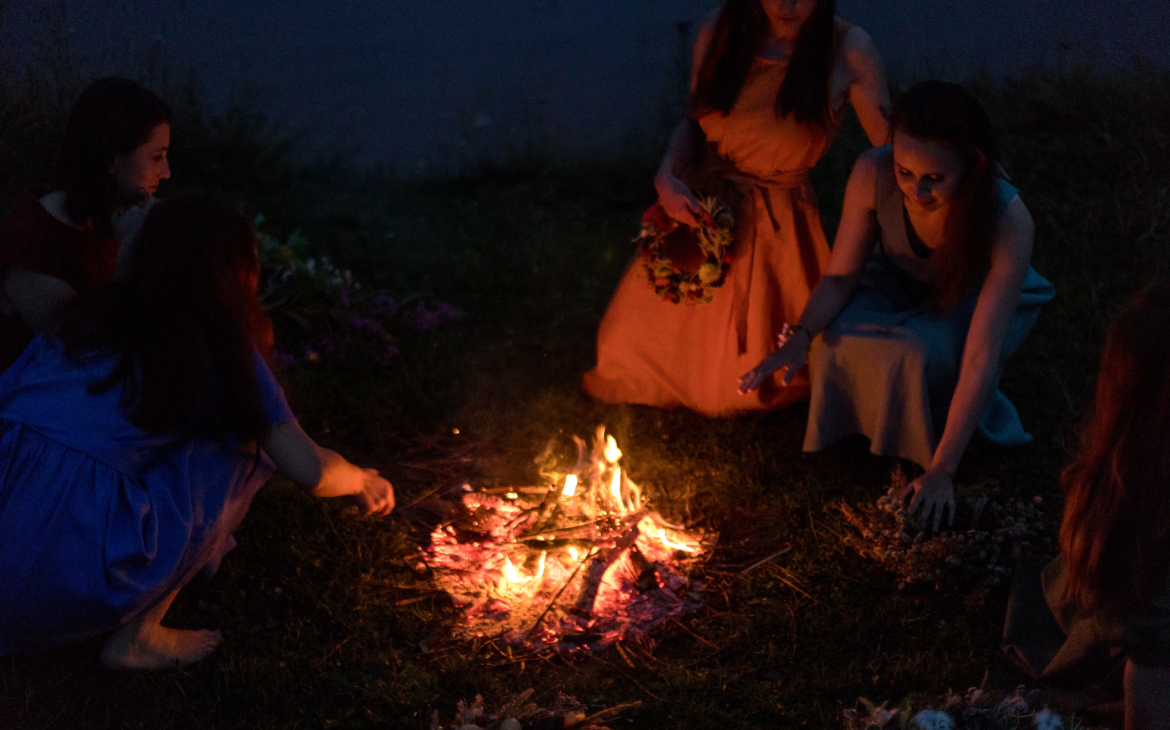
According to legends, this fire holds special mythical powers. Girls and boys jump over the fire, either in pairs or alone, to cleanse themselves of disease and negative energy. If a couple joins hands and jumps over together, it is believed that they will live a long life together. All women were expected to attend the bonfire – if not, they were considered a witch.
Kupala Vinok | Купальський вінок
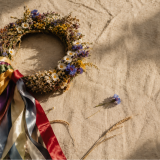
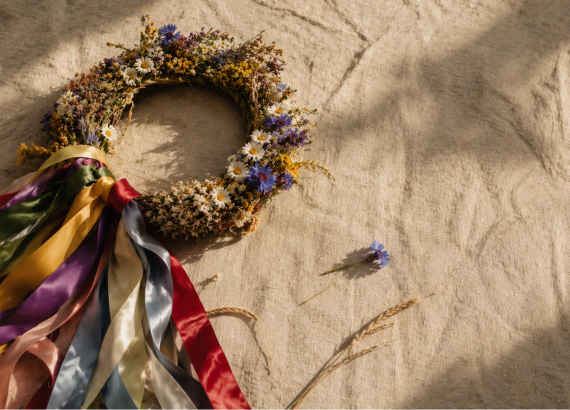
The Kupala Vinok (flower wreath) is a symbol of fate, purity, virginity, and happiness. It can be worn by unmarried girls, who typically make these themselves. Traditionally, the wreath should consist of 12 different plants all with medicinal properties. Each plant used is highly symbolic. For example, if Kalyna (red viburnum) was used, it is said to strengthen a woman’s health and fertility.
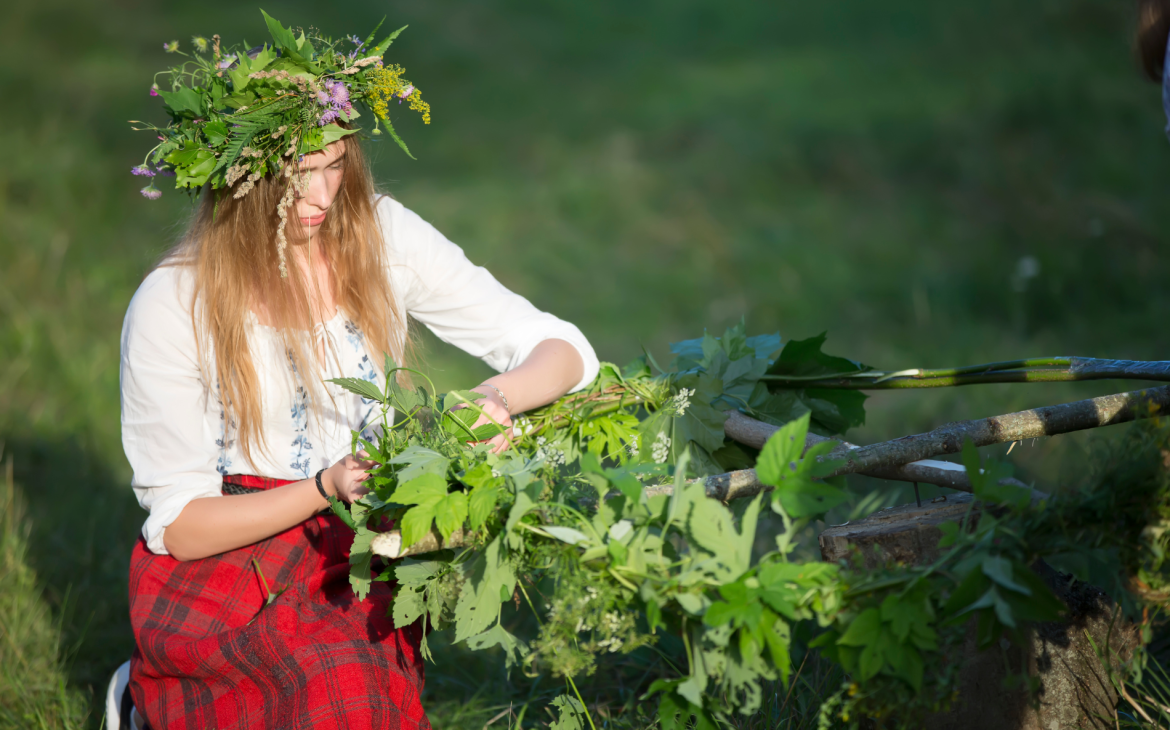
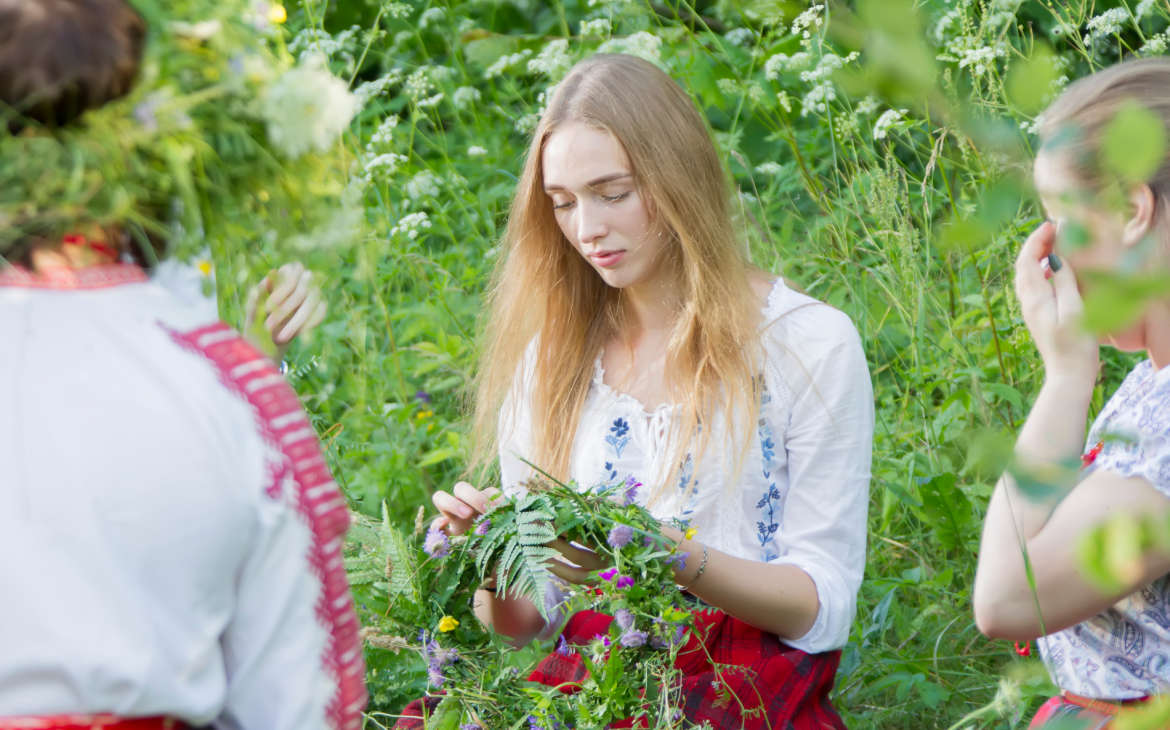
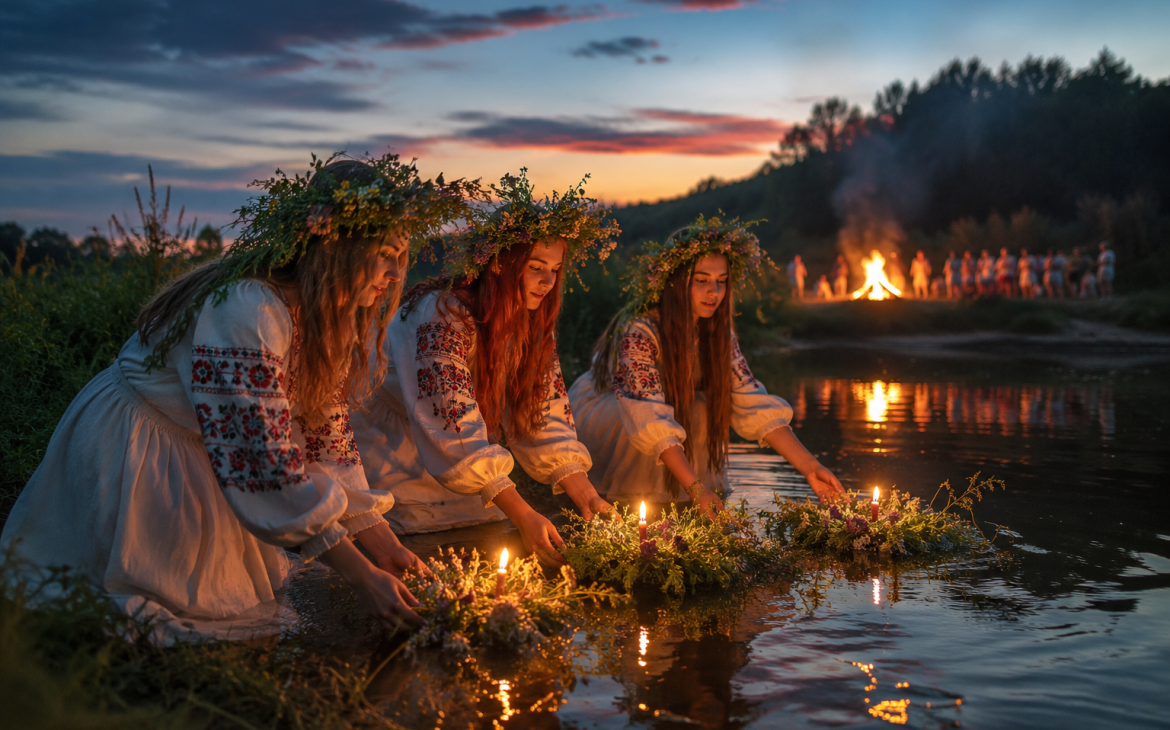
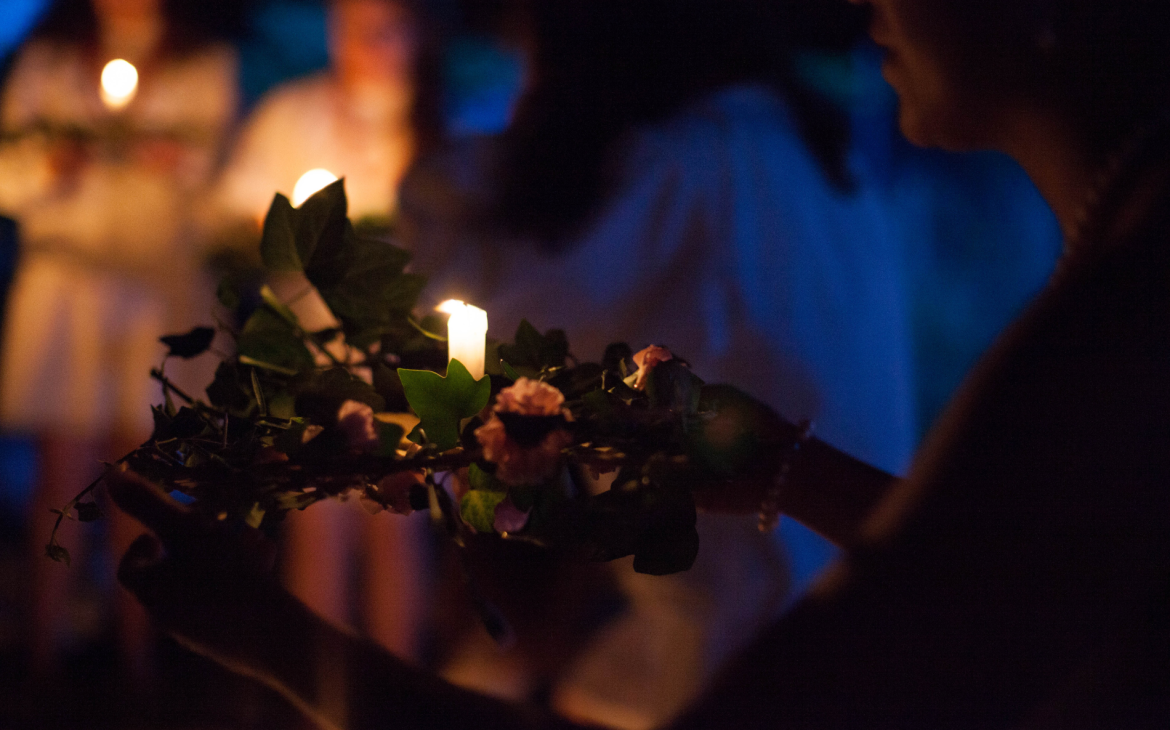
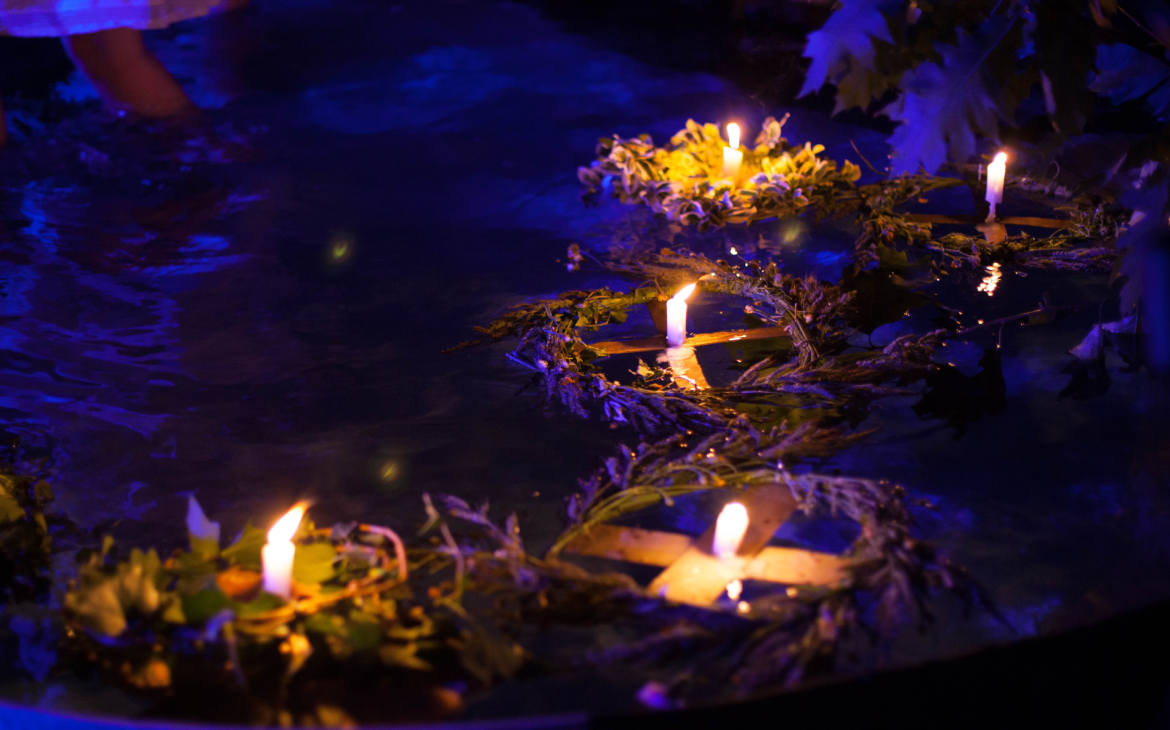
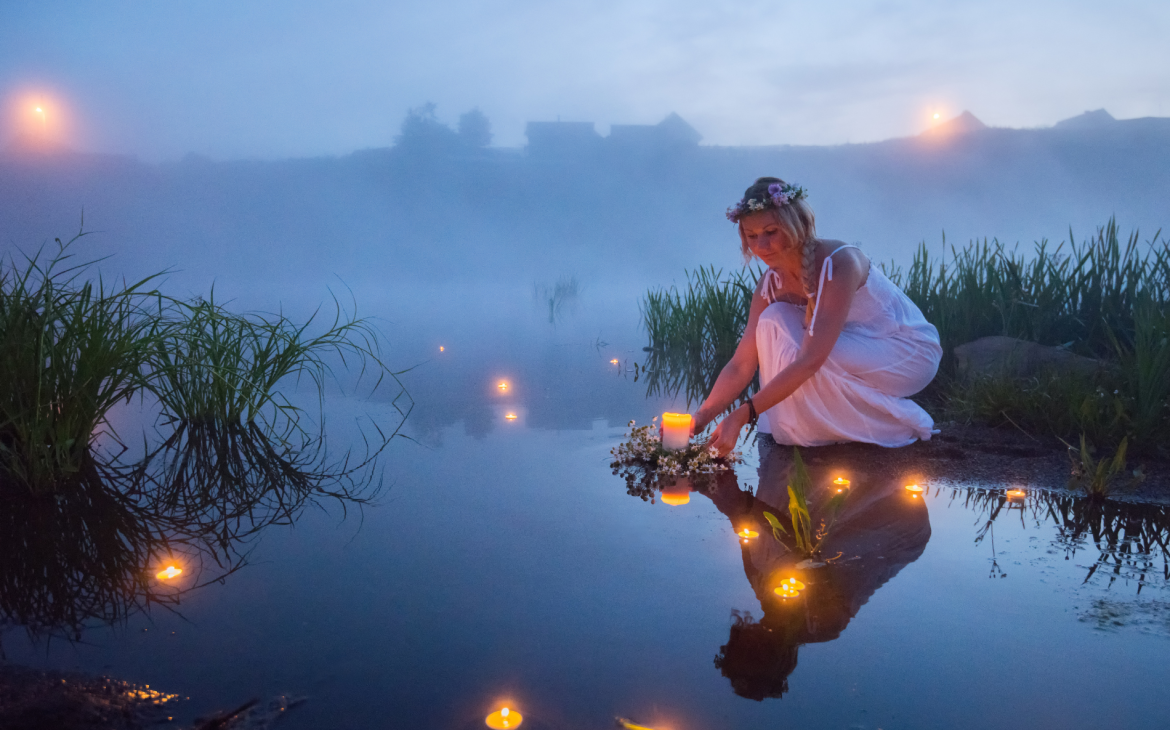
In almost every Oblast, the Vinoks are used for fortune telling. A candle is placed in the centre, before each girl sets their wreath to float over the water. If the headdress reached shore with the candle still burning brightly, it meant that the girl could expect to marry successfully in her village. If the candle went out, however, it signified misfortune. If the Vinok fell into the water and sunk, it was said to foreshadow the owner’s death. Finally, if it floated far into the distance, the girl was to be won over by a groom in another town or village.
Fern Flower | Квітка папороті
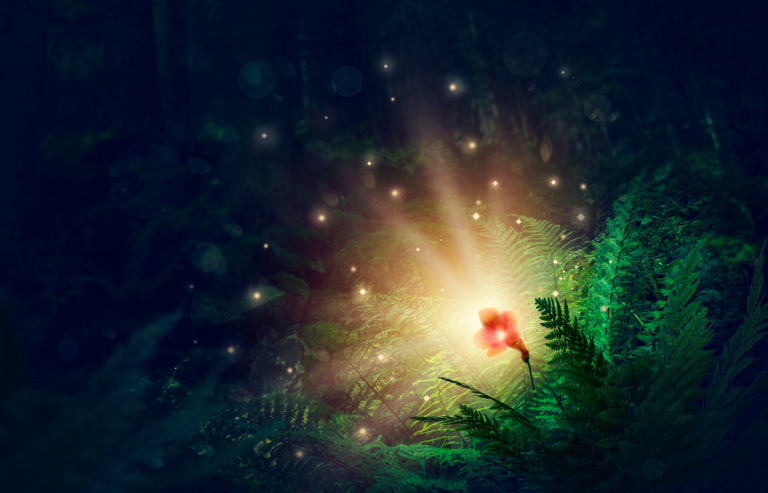
There is a long-standing belief that ferns flowered on the night of Ivan Kupala. Those who found the flower received fortune through good luck, wealth, or even the ability to communicate with animals.
According to Ukrainian folklore, a fern blooms for only a brief moment on Ivan Kupala Night. Whoever finds the flower is granted extraordinary gifts, including wealth, wisdom, happiness and even the ability to understand the language of animals.
Although ferns do not actually produce flowers, the legend has survived for centuries and remains one of the most enduring symbols of the festival. For young people, the search for the fern flower often provided an opportunity to slip away from the festivities and spend time together, adding an element of romance to the celebration.
Regional Differences | Регіональні відмінності
As with all cultural traditions in Ukraine, rituals surrounding Ivan Kupala vary between Oblasts. Click on a section below to expand it and discover more about such celebrations in that region.
Eastern Oblasts In parts of eastern Ukraine, local folklore portrayed Marena as a dangerous water spirit or mermaid-like figure associated with rivers, lakes and marshes. Unlike the more symbolic representations found elsewhere, Marena was believed to pose a genuine threat to both people and livestock. Children were often warned to avoid swimming alone around **Ivan Kupala Night**, when supernatural beings were thought to be especially active. Bonfires remained central to celebrations, but there was often a stronger emphasis on protecting communities from evil spirits and misfortune. Songs and rituals frequently focused on health, fertility and the wellbeing of livestock, reflecting the agricultural traditions of the region.
In Lviv Oblast and other parts of western Ukraine, Ivan Kupala traditions often featured large communal celebrations with singing, dancing and elaborate wreath-making. Young women would gather flowers from nearby fields and forests to create colourful Kupala Vinoks, which were later floated on rivers and streams as part of fortune-telling rituals. Bonfires were often accompanied by folk music and circle dances known as khorovody. In some villages, young men attempted to steal wreaths from the water, a playful tradition linked to courtship and matchmaking. The region’s strong preservation of folk culture means that many of these customs continue to be celebrated today.
The forests and wetlands of Right-bank Polissia gave rise to some of the most distinctive Ivan Kupala folklore in Ukraine. Here, beliefs surrounding spirits of the woods and water were particularly strong. Villagers believed that supernatural creatures wandered freely during Kupala Night, making rituals for protection especially important. The search for the legendary fern flower was especially popular in this region. Young people would venture into the forest after dark in search of the mythical bloom said to bring wealth, wisdom and happiness. Many stories warned that evil spirits attempted to distract or frighten those seeking the flower, making the quest a test of courage as much as luck.
In Poltava Oblast, Ivan Kupala celebrations were closely connected to the region’s agricultural traditions. Communities viewed the festival as an opportunity to seek blessings for crops, livestock and future harvests. Rituals involving water and fire were believed to purify both people and the land. Girls traditionally floated wreaths on local rivers to predict their future marriages, while young men demonstrated their bravery by leaping over bonfires. Folk songs performed during Kupala Night often celebrated love, nature and the beauty of the Ukrainian countryside. Many of these songs have survived and remain part of Ukraine’s rich cultural heritage.