Traditional Ukrainian Dishes by Region
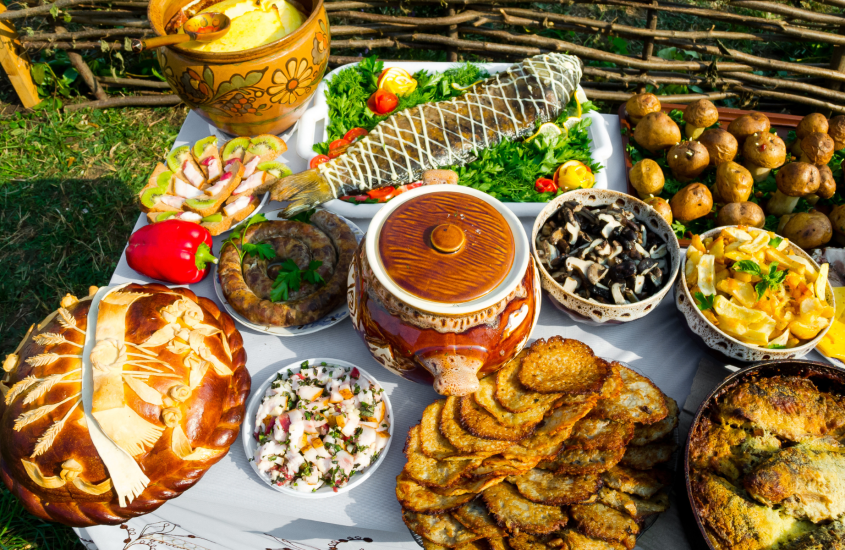
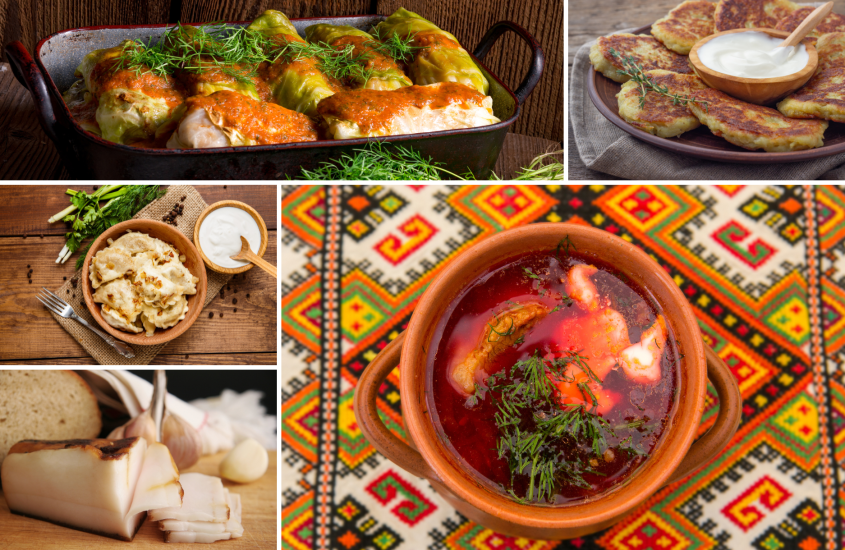
Ukraine is known around the world for famous dishes such as Borshch, varenyky, holubtsi and salo. But in reality, Ukrainian cuisine goes far beyond its most famous foods.
Like the country itself, Ukrainian food is deeply regional. Geography, climate, trade routes and history have all shaped what people cooked, grew and passed down through generations.
In Western Ukraine, many dishes reflect Austro-Hungarian and Central European influences. Southern cuisine is lighter and shaped by the Black Sea, while eastern regions are known for hearty meals designed to feed industrial and mining communities. Northern Ukrainian food tends to be rustic and comforting, with potatoes, mushrooms and forest ingredients featuring heavily.
If you’re completely new to Ukrainian cuisine, we’d recommend first reading our guide to 5 Popular Ukrainian Foods, which covers some of the country’s most iconic staple dishes.
This guide explores some of the best-known foods associated with each region of Ukraine, alongside the history and culture behind them. Of course, many dishes can be found across the entire country, with recipes and variations often changing from region to region, village to village and even family to family.

Contents
Western Ukraine
Західна Україна
Western Ukrainian cuisine is often considered the most distinct in the country. Historically, much of this region formed part of the Austro-Hungarian Empire and later Poland, meaning dishes here often feel more Central European than Eastern European. Food from western Ukraine is rich, comforting and heavily influenced by mountain life, café culture and old Galician traditions.
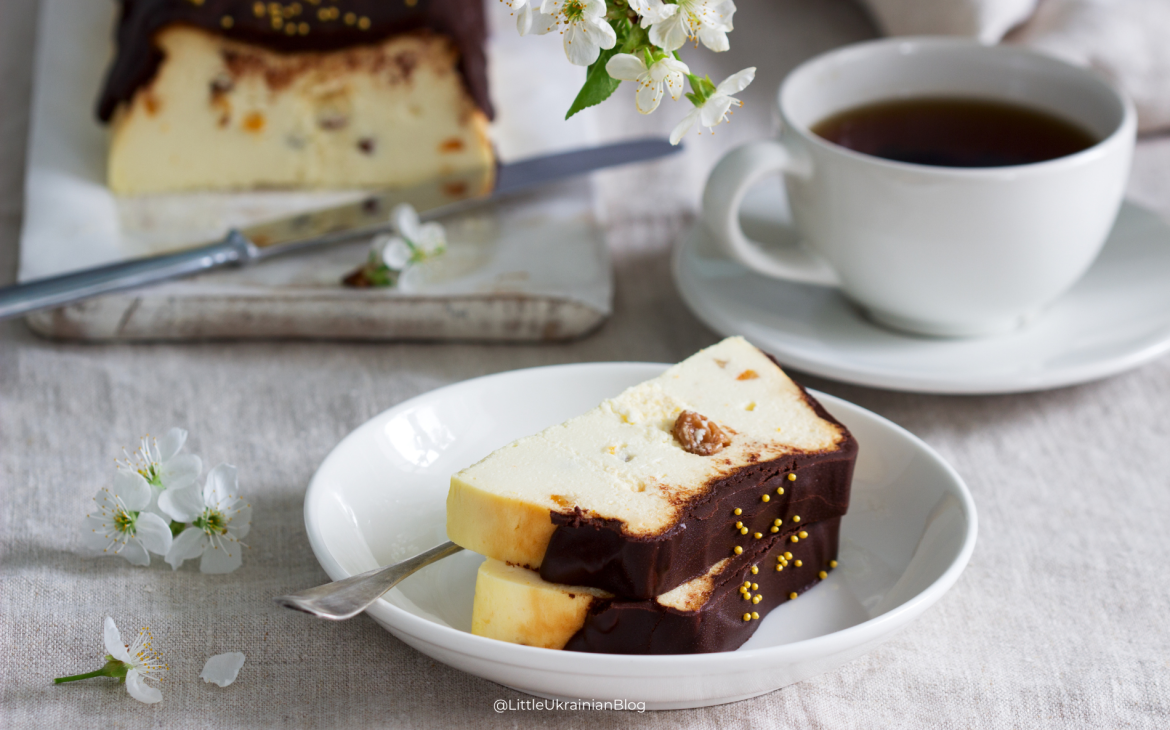
Lviv: Syrnyk | Львівський сирник
Lviv is famous for coffee, cake and café culture. Walk through the city centre and you’ll find endless bakeries selling cheesecakes, pastries and traditional desserts influenced by centuries of Polish and Austro-Hungarian history. One of the city’s best-known dishes is Lviv Syrnyk – a baked cheesecake made using sweetened farmer’s cheese. Unlike American cheesecake, Syrnyk is denser, less sweet and often coated in chocolate. Lviv’s food culture reflects the city itself: elegant, historic and deeply tied to long café conversations.
Carpathian Mountains: Banosh | Банош
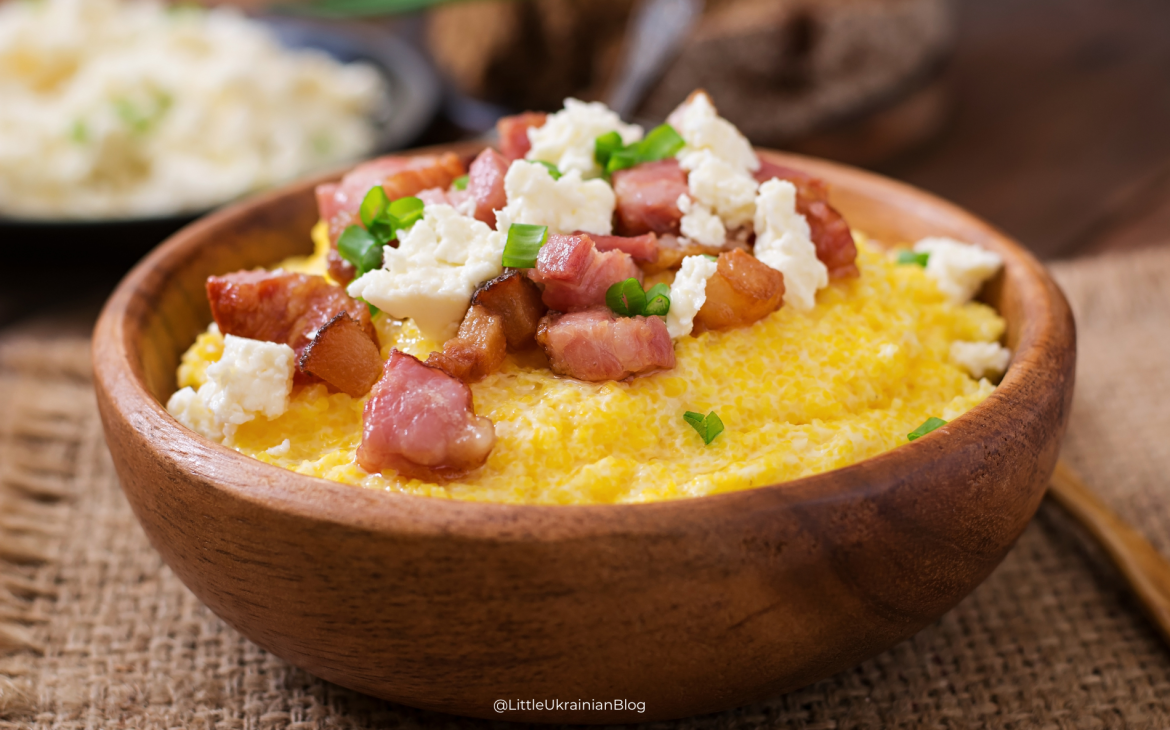
One of the most famous dishes from western Ukraine is банош: a traditional Hutsul dish from the Carpathian Mountains made from cornmeal cooked with sour cream or вершки (cream). It is typically topped with bryndza cheese, crispy salo or mushrooms, creating a rich and comforting meal strongly associated with mountain life and shepherd traditions. Historically, банош was prepared by Hutsul shepherds high in the Carpathians using simple local ingredients that could easily be carried and cooked over an open fire. Today, it remains one of the defining dishes of western Ukrainian and Hutsul cuisine
The cuisine of Bukovyna blends Ukrainian, Romanian and Central European influences. Stuffed vegetables, pastries and comforting soups remain central to local food culture.
Located in the Carpathian region, Ivano-Frankivsk cuisine is closely tied to Hutsul mountain traditions. Mushrooms, bryndza cheese, smoked meats and banosh are especially associated with the oblast.
One traditional dish strongly associated with western Ukraine is капусняк – a hearty soup made with sauerkraut, potatoes and smoked meat, traditionally served during colder months. Lviv kapusnyak contains additional ingredients: mushrooms, lard, meat, smoked products. Lviv is impossible to imagine without coffee.
The city of Lviv is called the coffee capital of Ukraine, and not for nothing. The history of coffee here began back in the days of the Austrian Empire, when the first coffee shops opened in the city.
Zakarpattia cuisine is heavily influenced by Hungarian, Slovak and Romanian traditions, making it one of the most distinctive food regions in Ukraine. One of the oblast’s best-known dishes is Бограч bograch: a rich paprika-based stew traditionally cooked over an open fire in the Carpathian Mountains.
Northern Ukraine
Західна Україна
Northern Ukraine is heavily forested, colder and historically more rural than other parts of the country. The cuisine here is deeply seasonal and built around potatoes, mushrooms, berries and preserved foods.
Chernihiv: Deruny | Деруни
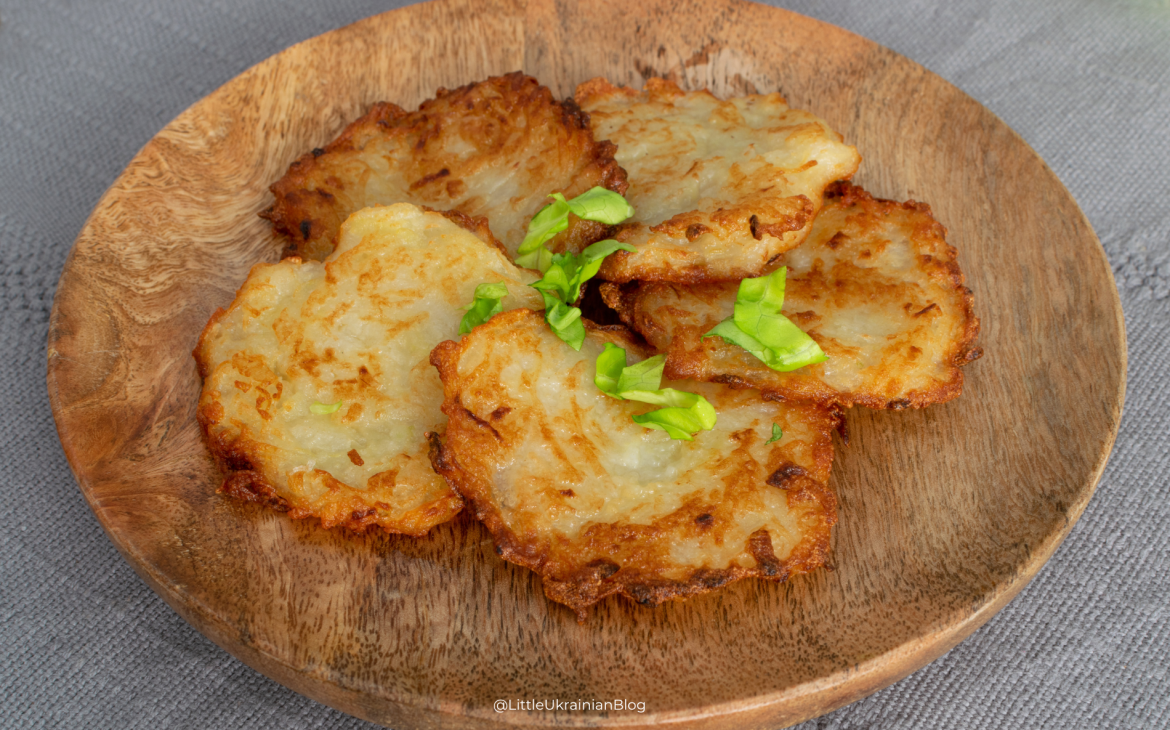
Deruny, crispy potato pancakes served with sour cream, are among the most famous dishes associated with northern Ukraine. Cheap, filling and easy to prepare, deruny became a staple food across rural communities where potatoes were one of the most reliable crops. Today, they remain one of Ukraine’s ultimate comfort foods.
Traditional foods from Sumy Oblast are hearty and seasonal, often including mushrooms, grains, potatoes and warming soups. One notable dish is шпундра – shpundra. This dish is prepared from pork and pickled beets on beet kvass. It is served with potatoes or separately with sour cream or herbs.
Zhytomyr cuisine combines northern and central Ukrainian influences, with homemade bread, preserved vegetables and potato-based dishes remaining especially common.
Central Ukraine
Центральна Україна
Central Ukraine is often viewed as the heartland of traditional Ukrainian cuisine. Many dishes now considered “national” Ukrainian foods originate from this region, including some of the country’s best-known comfort foods. The fertile land surrounding the Dnipro River helped shape a cuisine based around grains, vegetables and home cooking traditions passed through generations.
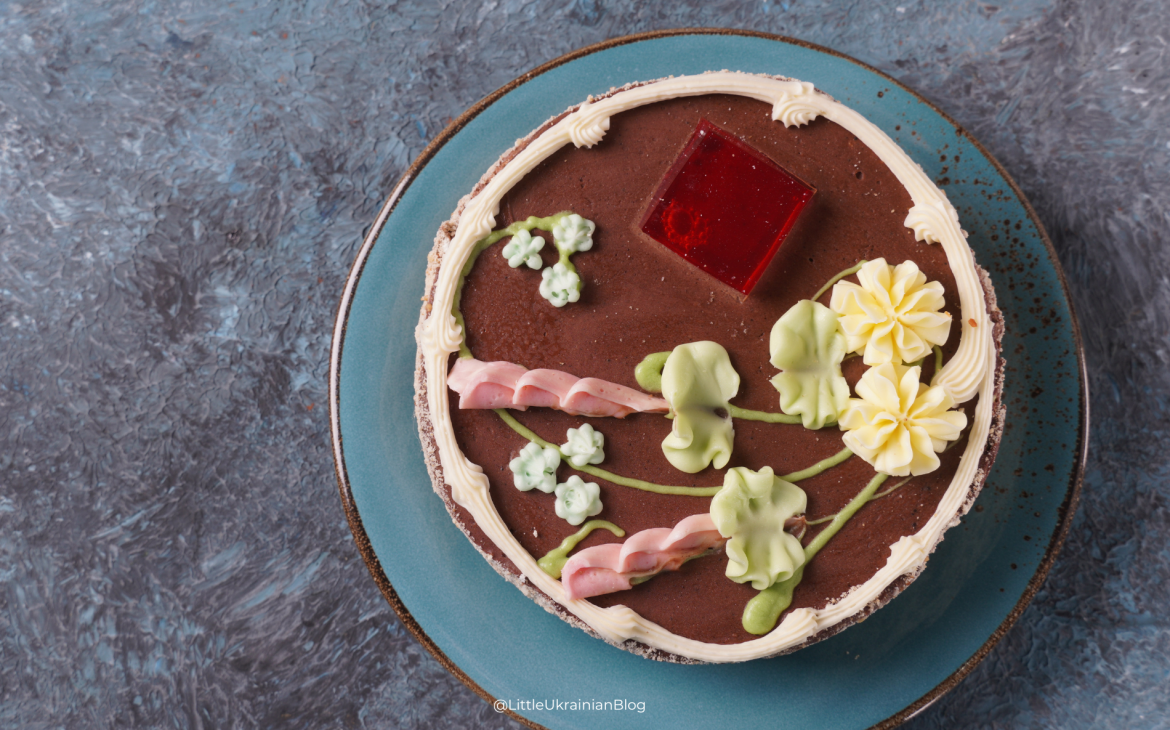
Kyiv Cake | Київський торт
Kyiv Cake is one of Ukraine’s most famous desserts and has been closely associated with the capital since the 1950s. Traditionally made from layers of crunchy hazelnut or cashew meringue combined with rich buttercream, the cake became a symbol of Kyiv and was often brought home as a souvenir from the city. Today, it remains one of the most recognisable sweet dishes in Ukrainian cuisine.
Poltava: Halushky | Полтавські галушки
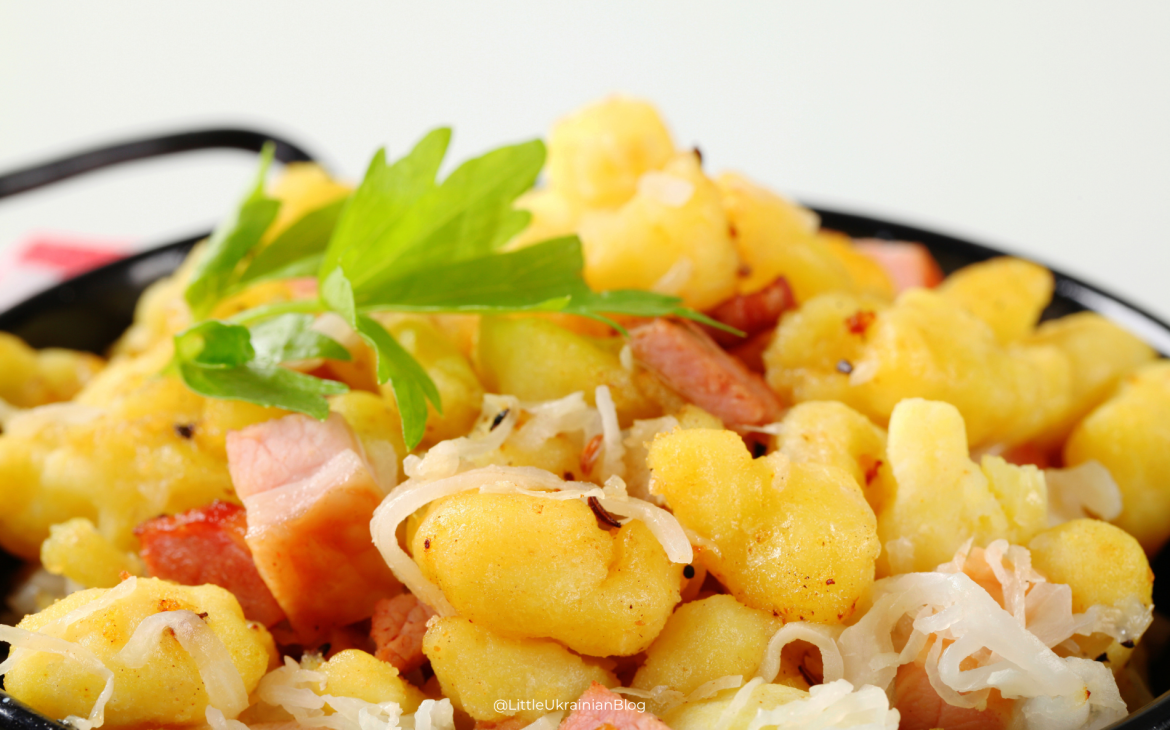
Poltava is closely associated with halushky, soft boiled dumplings traditionally served with meat, sour cream or fried onions. The dish reflects the agricultural richness of central Ukraine and became symbolic of home-style Ukrainian cooking. Today, halushky are so important to local identity that Poltava even has a monument dedicated to them.
Located in the historical heartland of the Cossacks, Cherkasy cuisine is deeply connected to central Ukrainian agricultural traditions and simple hearty cooking.
Poltava is especially famous for halushky – soft boiled dumplings that became symbolic of Ukrainian hospitality and home cooking traditions. Січеники are also rumoured to be from the Poltava Oblast (although they are strongly associated across Central Ukrainian cooking traditions) and are considered one of the region’s traditional home-style dishes. Usually made from minced meat or fish mixed with bread, onions and seasonings, they are shaped into patties and pan-fried until golden.
Vinnytsia cuisine is closely tied to Podillian cooking traditions and rich agricultural land. One traditional regional dish is stuffed pike (фарширована щука), reflecting the importance of river fish and home-style festive cooking across central Ukraine.
Eastern Ukraine
Східна Україна
Eastern Ukrainian cuisine is hearty, practical and deeply connected to industrial communities and степ landscapes. Meals were historically designed to feed large working families, miners and factory workers. The region also reflects centuries of cultural overlap between Ukrainian, Greek, Tatar and broader eastern European traditions.
Avdiivka Porridge | Авдіївська каша
Avdiivka Porridge is a traditional, rich rice-based dish originating from the industrial city of Avdiivka in the Donetsk region of Ukraine. Unlike standard oat porridge, this ceremonial dish is made with rice, milk, eggs, and butter, and is often garnished with preserved cherries and soaked raisins. The cultural technology of preparing this porridge is officially recognised on the Ukrainian National List of Intangible Cultural Heritage.
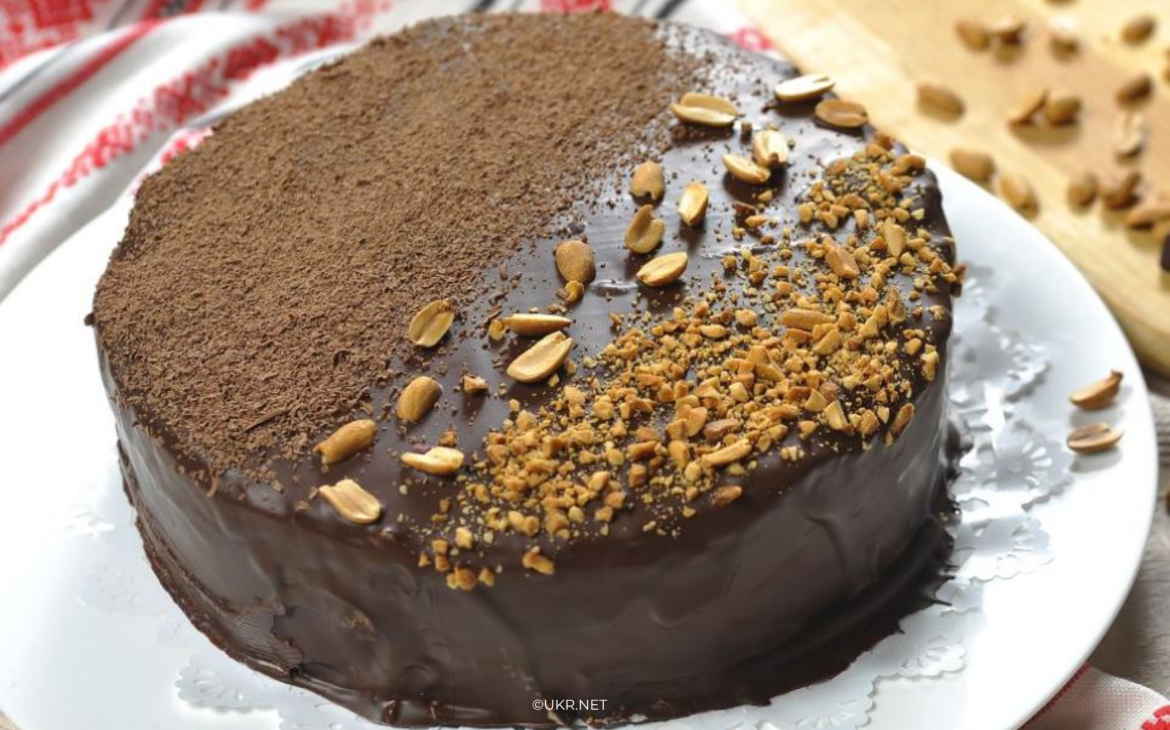
Luhansk: Shakhtarskyi Tort (Miner's Cake) | Шахтарський торт
Shakhtarskyi tort, or “Miner’s Cake”, is a rich layered chocolate cake traditionally associated with the Luhansk Oblast of Eastern Ukraine, particularly its historic mining communities. The name comes from the word шахтар (“miner”), reflecting the industrial identity of the region and the generations of coal miners who shaped local culture. The main feature of this cake was its exceptional shelf life. Since it contained no dough or dairy fillings, the dessert remained fresh for several months. The cake is typically made using multiple layers of dark chocolate sponge filled with buttercream, sour cream or condensed milk-based fillings, often combined with nuts, prunes or cherries. Many versions are finished with chocolate glaze or crumbs designed to resemble coal, giving the dessert its distinctive appearance. Although original production in Luhansk ceased in 2014 due to occupation, the recipe has been revived thanks to Ukrainian chefs.
Donbas-style cutlets (Котлети по-донбаськи) are a hearty home-style dish from eastern Ukraine, traditionally made from minced meat, onions and bread before being pan-fried until golden. Like much of Donbas cuisine, they reflect the region’s strong family traditions and comforting everyday cooking.
Kulish is one of the oldest dishes, closely connected with the history of the Kharkiv region. It was a traditional dish of the Zaporizhian Cossacks who inhabited this region. In its classic version, kulish was cooked on a fire from millet, lard, and onions. The Cossacks had a huge influence on the culture and gastronomic traditions of Eastern Ukraine, in particular the Kharkiv region, where the Cossacks actively lived and played a key role in the development of the local population, its customs and traditions.
Located on the Sea of Azov, Mariupol developed a unique food culture shaped by Greek, Ukrainian and coastal influences. Fish dishes, seafood and grilled meats are especially associated with the city, while the region’s historic Greek communities helped shape many local culinary traditions.
Southern Ukraine
Південна Україна
Southern Ukrainian cuisine is shaped by the Black Sea, warm summers and centuries of multicultural influence. Greek, Jewish, Bulgarian and Moldovan communities all helped shape the food traditions of the south. Compared to other regions, dishes here often feel lighter, fresher and more Mediterranean.
Mykolaiv: Mykolaiv-Style Soup | Юшку по-миколаївськи
Vitovska fish soup is a traditional dish from Mykolaiv Oblast, historically prepared in fishing communities along southern Ukraine’s rivers and estuaries. Made using locally caught fish such as goby fish and silver carp, the soup is cooked with vegetables and traditionally finished with crushed garlic for extra flavour. Historically, it was prepared in Ukrainian village ovens using fresh ingredients taken directly from the river and surrounding countryside.
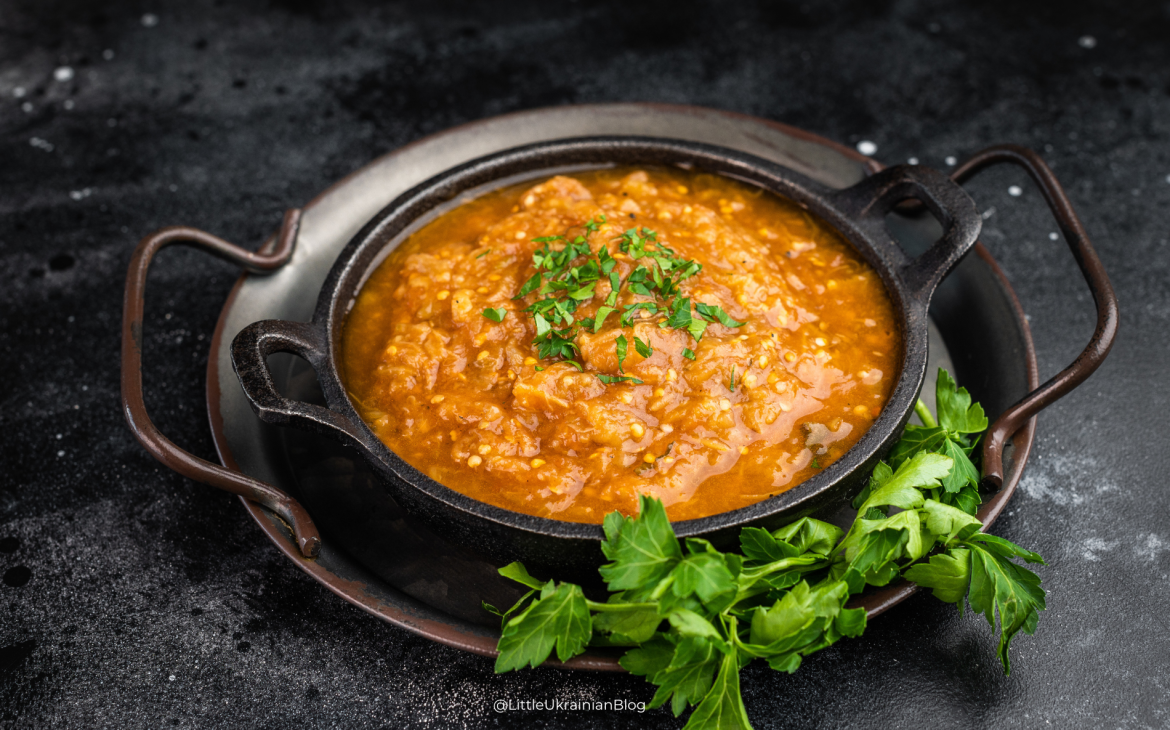
Odesa: Aubergine Caviar | Баклажанна ікра
One of the most iconic dishes associated with Odesa and southern Ukraine is a smoky aubergine spread traditionally made from roasted aubergines, tomatoes, onions, garlic and sunflower oil. In Odesa, it is affectionately called «ікра із синеньких» – “caviar from the little blue ones” . It is considered a rule to cut eggplants only with a wooden knife, so that the iron does not start the oxidation process and spoil the taste of the caviar. Typically served cold with fresh bread and is particularly popular during summer and early autumn when aubergines and tomatoes are in season.
Вітовська тюлька насторчак is a traditional fish dish associated with Mykolaiv Oblast and the Black Sea region of southern Ukraine. The dish is made using Black Sea sprats (тюлька), which are salted and lightly cured before being served whole, often alongside onions, bread or potatoes. Like many southern Ukrainian dishes, it reflects the close connection between local cuisine and the Black Sea. Fishing communities across the Mykolaiv region historically relied on small inexpensive fish that could be preserved easily and eaten throughout the year. Today, тюлька remains an important part of coastal food culture in southern Ukraine.
Kherson watermelons are among the most famous in Ukraine and even hold geographically protected status. Beyond simply eating them fresh, locals also grill, ferment and preserve watermelons, while fragrant watermelon bekmez, a thick syrup made by slowly boiling watermelon juice, remains a unique southern speciality.
But, Kherson’s cuisine is known for far more than just watermelons! Thanks to the region’s location along the Dnipro River and Black Sea estuaries, fish plays a huge role in local food culture. Traditional fish borshch made with goby fish, carp or catfish is especially associated with the region, often prepared thick and rich in colour.
Odesa’s food culture is unlike anywhere else in Ukraine. Odesa cuisine is full of seafood, tomatoes, eggplant and fresh herbs, reflecting the city’s position as a major Black Sea port. One of the city’s most famous dishes is forshmak (Одеський форшмак), a herring-based spread strongly associated with the city’s historic Jewish community.
Traditional Zaporizhian dishes draw on the Cossack heritage of the Dnieper region . They are based on fish, various cereals (especially millet), and unique types of bread. They are hearty, flavorful foods, ideally suited for cooking in camping conditions or over a campfire. Kulish is one of the most famous dishes of the Zaporozhian Cossacks, which was cooked in a common cauldron, which symbolized equality and brotherhood. Teterya is similar – millet porridge, seasoned with liquid buckwheat or rye dough. The Cossacks cooked kulish in large cauldrons, which were called “cast iron pots” or “banyak”.
Crimea
Крим (– це Україна)
Crimea has one of the most distinctive and diverse food cultures in Ukraine, shaped heavily by Crimean Tatar traditions and the peninsula’s Black Sea geography. Compared to other regions of Ukraine, Crimean cuisine features more spices, grilled meats, pastries and rice-based dishes, reflecting centuries of Turkic, Mediterranean and Middle Eastern influence.
Crimean cuisine remains an important part of Ukraine’s multicultural culinary identity and reflects the history and traditions of the indigenous Crimean Tatar people.
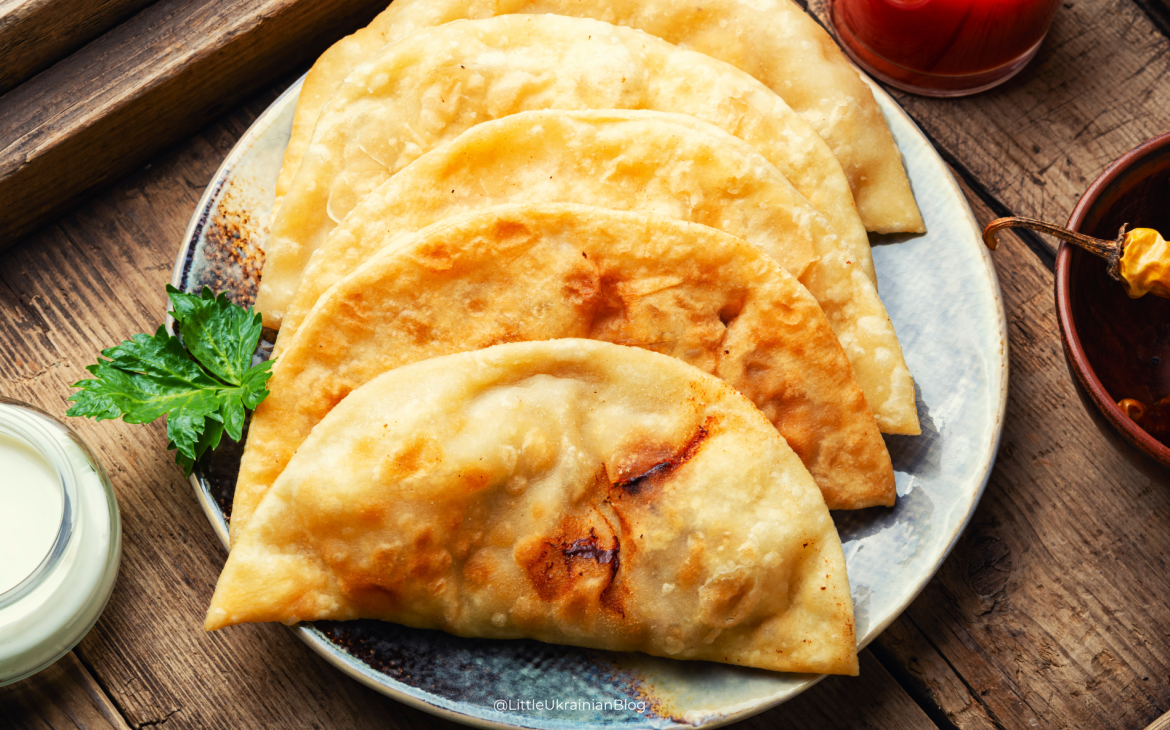
Cheburek | Чебурек | Çibörek
Chebureky are crispy fried pastries traditionally filled with minced meat and onions, folded into a distinctive half-moon shape. It is served hot after cooking and eaten without the use of cutlery. A national dish of the Crimean Tatars, they remain popular across Crimea and within Crimean Tatar diasporas in Turkey, Romania and, of course, worldwide.
Crimean Tatar Coffee | Кримськотатарська кава
Crimean Tatar coffee culture is an important part of the peninsula’s culinary traditions and hospitality customs. Traditionally prepared in a cezve over hot sand or open heat, coffee is served slowly and socially, often alongside sweets or dried fruit. More than simply a drink, coffee holds cultural significance within Crimean Tatar communities and is closely connected to gatherings, conversation and welcoming guests into the home.
More Than Just Food
Більше, ніж просто їжа
Regional cuisine is one of the most fascinating parts of Ukrainian culture because every dish tells a story about the people and places it comes from. Mountain shepherd traditions shaped the food of the Carpathians, Black Sea trade routes influenced southern cooking, while generations of farmers, miners and village communities all left their mark on the dishes still eaten today.
Many of these recipes continue to survive through memory, family kitchens and local traditions rather than cookbooks alone. Ask two Ukrainians how to make the same dish and you’ll probably get two completely different answers, and that’s part of what makes Ukrainian food culture so special.
Exploring Ukrainian cuisine region by region also reveals just how diverse the country truly is. From Crimean Tatar pastries and Odesa aubergine dishes to Poltava halushky and Hutsul banosh, Ukrainian food is far richer and more varied than many people realise.
Do you have a traditional regional Ukrainian dish we should add to the list? Let us know in the comments below – we’d love to hear about your family recipes and local specialities.
Frequently Asked Questions
Поширені запитання
The national dish of Ukraine is borshch (борщ), a beetroot soup that is recognised by UNESCO as part of Ukraine’s cultural heritage. It’s traditionally served with a dollop of sour cream and fresh dill, and is cherished across the country as a symbol of warmth and togetherness.
Every region of Ukraine has its own unique food culture. Western Ukraine is known for mountain and café cuisine, southern Ukraine for seafood and multicultural influences, and central Ukraine for classic home-style dishes.
Yes. Ukrainian cuisine changes significantly depending on geography, climate and history. Dishes from Odesa look very different to food traditionally eaten in the Carpathians or Donbas.
Kyiv is most famous for Chicken Kyiv and Kyiv cake, although the capital also has a thriving modern Ukrainian restaurant scene.
Traditional western Ukrainian food includes banosh, bograch, varenyky, mushroom dishes and rich baked desserts influenced by Central European cuisine.